
Exoskeletons as Artefacts: A Feminist Exploration and Critique
My main aim is to conceptualise exoskeletons as relational artefacts that are enacted differently across contexts, practices, and bodies, rather than as discrete and stable objects defined solely by their technical specifications. In doing so, I investigate how gender is inscribed within exoskeletons, how gender is done with and through them, and how such artefacts might be more adequately theorised and conceptualised.
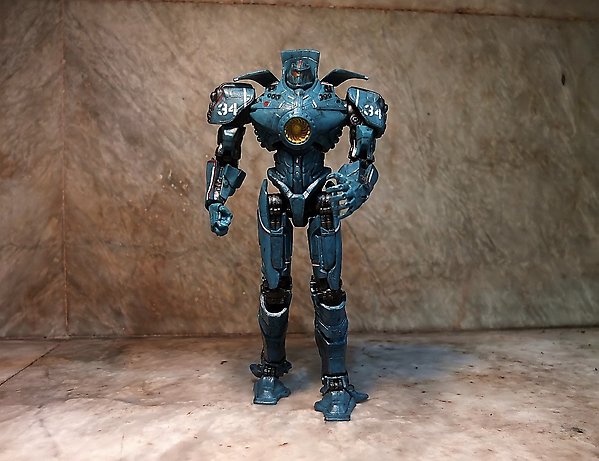
AI-generated image. Image by Vinson Tan via Pixabay.
Situated within a feminist, qualitative, and reflexive methodological framework, the project draws on affect theory, what I term feminist posthuman technosciences, and feminist critiques of transhumanism to examine questions of meaning, intention, ethics, and function in relation to exoskeleton technologies.
With gender as a central analytic, the thesis explores both the material and discursive dimensions of its enactment, from the literal mattering of gender in bodily anthropometries to ontological and epistemological analyses of how gender is ‘done’ in and through human–exoskeleton relations. Interdisciplinary in scope, bridging gender studies, wearable robotics, and critical military studies, the project moves from a broad introduction to exoskeleton applications across sectors to a focused analysis of military exoskeletons and exoskeletons as robots, before opening out to a figurative analysis and, eventually, a speculative, collaborative ‘thinking together’ of future possibilities, hybrid-exoskeleton identities, and everyday integrations of exoskeletal technologies.
Feminist methodology
I built my project on qualitative data in the form of semi-structured interviews, visual analysis of online material of military exoskeletons, and ethnographic research. The theoretical framework is based on affect theory, feminist technoscience, and posthumanist feminist new materialisms.
Contact
- Do you want to know more about this research project? Contact Vanessa Noack, PhD student at the Centre for Gender Research.
- Vanessa Noack