
Prof. Marianne Fenech
Blood Flow in Microcirculation: How Red Blood Cells Shape the Stream
Blood flow in the microcirculation is remarkably complex. In vessels often only slightly larger than a single red blood cell (RBC), blood behaves not as a simple fluid but as a dynamic suspension whose properties emerge from the mechanical and collective behavior of its cellular constituents.
Microfluidic blood‑on‑chip systems provide a powerful way to study these multiscale processes under well‑controlled conditions. While classical hemorheology has largely focused on single‑vessel or straight‑channel models, recent advances now enable the fabrication of complex microvascular networks that mimic in vivo geometries. These network‑scale models reveal how RBC deformability, aggregation, and shear‑dependent organization produce emergent flow behaviors that differ fundamentally from those observed in isolated vessels. For example, heterogeneities in cell distribution, partitioning at bifurcations, and the propagation of cell‑free layer (CFL) can only be fully understood when considering connectivity and upstream/downstream coupling within networks.
In this seminar, I will present work from our lab using microfluidic chips to examine RBC dynamics in both single‑channel configurations and microvascular network architectures. We investigate how RBC mechanical properties influence viscosity, particle migration, micro‑scale mixing, and the formation and evolution of the CFL. By combining high‑speed imaging, quantitative flow analysis, and controlled microfluidic designs, we show how RBC collective behavior and network topology jointly shape hemodynamics. Together, these insights deepen our understanding of microcirculatory transport and support the development of improved blood analogs and diagnostic tools.
Prof. Marianne Fenech
Dr. Marianne Fenech is a Full Professor in the Department of Mechanical Engineering at the University of Ottawa, Canada.
Through her interdisciplinary expertise and international collaborations, she aims to advance fundamental understanding of microcirculatory flow and improve the physiological relevance of blood on chip systems.
Dr. Fenech’s academic path bridges engineering and biomedical science. She completed her foundational training in Mechanical Engineering, followed by a PhD in Biomedical Engineering at the Université de Technologie de Compiègne (UTC), France. She then pursued a postdoctoral fellowship at the University of Montreal within the Laboratoire de Biorhéologie et d’Ultrasonographie Médicale (LBUM).
Her research career includes significant international experience. Notably,in 2017, she held a one year invited research appointment in Centre de Biochimie structural (CBS), Montpellier France, advancing biophysics approaches to study red blood cell behavior. She is currently spending 2025–2026 as a Visiting Researcher at Uppsala University, working in Dr. Maria Tenje’s group in Materials Science and Engineering / Biomedical Engineering.
At the University of Ottawa, Dr. Fenech leads an interdisciplinary research program that integrates mechanical engineering, biomedical engineering, microfluidics, and biophysics. Her research focuses on understanding the physical principles governing blood flow in the microcirculation, with emphasis on red blood cell mechanics, hemorheology, microfluidic modeling, and microscale transport. Her work combines microfluidic chip design, high speed microscopy, and quantitative flow analysis to uncover how cellular mechanics and collective behavior shape microvascular transport.
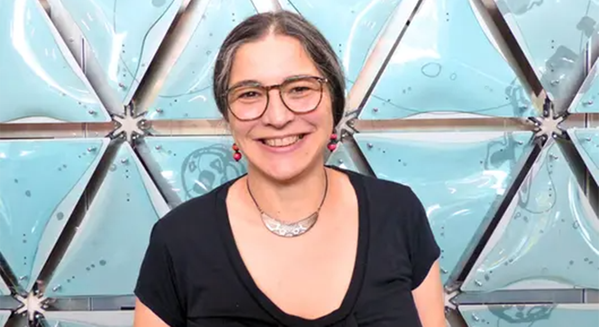
Prof. Marianne Fenech
Contact
- The Local Organizing Committee
- Contact the Local Organizing Committee
- Iro Beligianni
- Neeraj Katiyar
- Karin Magnusson
- Dimitra Valadorou
- Samuel Wulfert
- Xinyang Dai
- Sara Ferreira Cardoso
- Florence Maryanna Olan Agcaoili
- Tatiana Turcitu