
Grassroots Participation and Democratic Deepening in the Green Transition
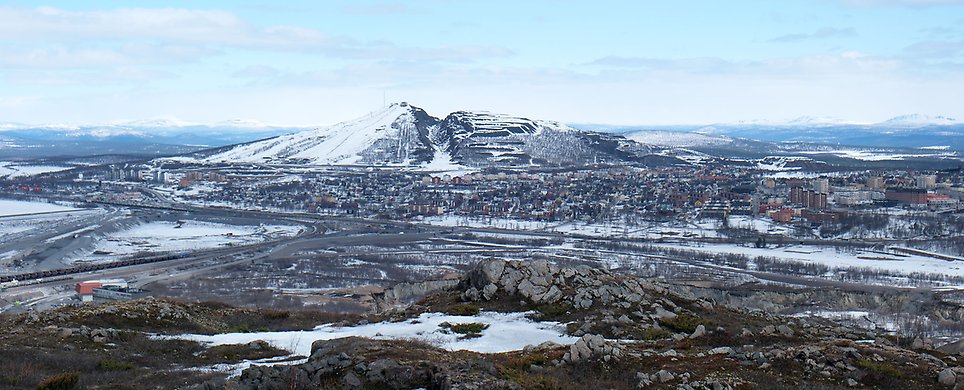
Photo: Curt Persson
The green transition is intensifying conflicts over land, natural resources, and rights. By comparing mining-related conflicts in Sweden and South Africa, the project examines how grassroots participation shapes democratic processes and decision-making over time. The aim is to understand when conflicts can contribute to democratic deepening and when they instead lead to polarization, distrust, and exclusion.
Details
- Period: 2026-09-01 – 2030-08-31
- Budget: 6,000,000 SEK
- Funder: Formas
Description
The green transition requires substantial investments in mining, energy systems, and other land-intensive infrastructure. At the same time, it generates conflicts over land use, natural resources, local livelihoods, and Indigenous rights. This project examines how affected communities engage in grassroots participation when established channels for influence are perceived as insufficient. By tracing and comparing mining conflicts in Jokkmokk, Kiruna, and Xolobeni in South Africa, the project analyzes how grassroots initiatives evolve, how they interact with decision-making institutions, and what democratic effects they generate. The project seeks to identify the conditions under which conflicts can strengthen democratic governance, accountability, and inclusion rather than deepen polarization and exclusion.
Project leader Anna Jarstad says:
A democratic and sustainable green transition requires meaningful opportunities for people to influence decisions that affect their lives. This project explores how conflicts can become resources for democratic development rather than sources of polarization and distrust
The project is part of UUniFI Goal conflicts, and the principal investigator Anna Jarstad is a fellow at the institute:
New research project: The Productive Conflicts of Democracy – Uppsala University