
Mak Wen Yao
Mak Wen Yao works on the translation problem, taking results from preclinical infection models and converting them into exposure targets and dosing strategies that hold up in patients. He also studies how antibiotics behave in combination.
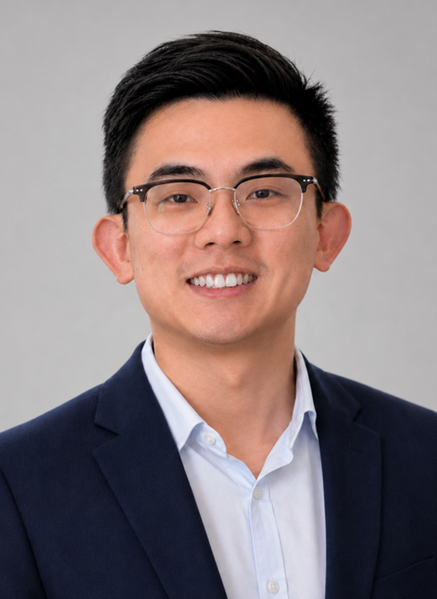
Postdoctoral Researcher
Department of Pharmacy at Uppsala University
Research focus and interests
- Antibiotic pharmacokinetics and pharmacodynamics (PK/PD) analysis
- Antibiotic exposure-response modeling
- Identification of PK/PD targets for bacterial killing
- Translational modelling from preclinical studies to clinically relevant dosing strategies
- Antibiotic combination therapies
- Variability between laboratories, bacterial strains, and experimental conditions
- Reproducibility and quality control in pharmacometrics analyses
Research expertise and methodologies
- Model-informed drug development (MIDD)
- Population PK/PD and exposure-response modeling
- Model-based simulation and dose optimization
- Quantitative systems pharmacology (QSP) modelling
- Pharmacometrics modelling software and tools, including NONMEM, nlmixr2, mrgsolve, Matlab
Ongoing research projects
My research focuses on using pharmacometric modelling to better understand how antibiotics work and how they can be used more effectively against resistant bacteria. Much of my current work is connected to the COMBINE (Collaboration for Prevention and Treatment of Multidrug-resistant Bacterial Infections) project, which forms part of the wider European research effort to address antimicrobial resistance.
- Antibiotic PK/PD and exposure-response modelling: I study how antibiotic exposure relates to bacterial response and killing, with the aim of identifying PK/PD targets that can support better dose selection and treatment strategies.
- Antibiotic combination therapies: I am interested in understanding how antibiotics work in combination with other adjuvants or potentiators, and how these combinations can help overcome antimicrobial resistance.
- Translational modelling: I work on translating findings from preclinical infection models into clinically meaningful exposure targets and dosing strategies, helping to bridge the gap between laboratory experiments and patient treatment.
- Reproducibility of antimicrobial studies: I investigate why experimental results may differ between laboratories, bacterial strains, or study conditions. Using rigorous modelling approaches, the aim is to quantify and distinguish biological variability from methodological differences and improve the reproducibility of antimicrobial research.
Key Publications
- Mak, W. Y., He, Q., Yang, W., Xu, N., Zheng, A., Chen, M., Lin, J., Shi, Y., Xiang, X., & Zhu, X. (2024). Application of MIDD to accelerate the development of anti-infectives: Current status and future perspectives. Advanced drug delivery reviews, 214, 115447. https://doi.org/10.1016/j.addr.2024.115447
- Ji, X.-w, Mak, W. Y., Xue, F., Yang, W.-y, Kuan, I. H.-S., Xiang, X.-q, Li, Y., & Zhu, X. (2025). Population pharmacokinetics and pulmonary modeling of eravacycline and the determination of microbiological breakpoint and cutoff of PK/PD. Antimicrobial agents and chemotherapy, 69(3), e0106524. https://doi.org/10.1128/aac.01065-24
- Mak, W. Y., Alifu, M., Zheng, A., Jia, N., He, Q., Zhu, X., Mao, X., & Xiang, X. (2026). Population Time-to-Event Modeling of Pregnancy Loss Risk Following Frozen Embryo Transfer: A Real-World Study in Chinese Women. Clinical pharmacology and therapeutics, 119(5), 1317–1330. https://doi.org/10.1002/cpt.70174
- Mak, W. Y., Ooi, Q. X., Cruz, C. V., Looi, I., Yuen, K. H., & Standing, J. F. (2023). Assessment of the nlmixr R package for population pharmacokinetic modeling: A metformin case study. British journal of clinical pharmacology, 89(1), 330–339. https://doi.org/10.1111/bcp.15496