
Prospective parents' experiences of prenatal care following the detection of a foetal anomaly

How can healthcare staff better support prospective parents after they receive news of a foetal anomaly?
We don't know enough about prospective parents’ experiences of the support offered when foetal anomaly has been detected, despite their strong need for tailored care and the emotional strain they experience.
Grundinformation
- Period: 2025-10-21 – 2033-10-21
- Funder: Region Kronoberg
- Type of funding: Projektbidrag
Prenatal diagnostics, anomalies and continued pregnancy
Prenatal diagnostics are widely used in Swedish maternity care and enable early detection of foetal anomalies and conditions. While advances in ultrasound and genetic screening have improved diagnostic possibilities, less is known about how prospective parents experience information, communication, and support when they choose to continue a pregnancy following an anomalous finding.
This project explores how prospective parents who receive such information experience their encounters with healthcare professionals during pregnancy. Particular focus is placed on how information is communicated, how support is provided, and how prospective parents are helped to prepare for the birth of a child with special needs.
The project also considers ethical aspects of prenatal diagnostics, including autonomy, non‑directive counselling, and equity in healthcare.
By examining prospective parents’ experiences, the project aims to generate knowledge that can support more person‑centred, ethical, and equitable prenatal care. The results may contribute to improved clinical practice, enhanced support for families, and the development of guidelines for healthcare professionals in the context of rapidly evolving prenatal diagnostic technologies.
Funding
This PhD project is funded by Region Kronoberg with Ulrika Berg as the main applicant.
Collaborators
- Region Kronoberg
- Centre for Research Ethics & Bioethics, Uppsala University
Projektmedlemmar
People in the project
Ulrika Berg
Doctoral student researching different aspects of communication, information, and support provided to expectant parents after a foetal condition has been detected during pregnancy.

Niklas Juth
Professor of medical ethics and research leader at CRB. Focus on the ethical issues that arise at the intersection of political philosophy and medical ethics. Chair of the ethics council of Region Uppsala.
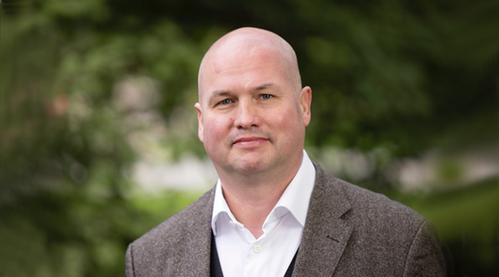
Charlotta Ingvoldstad Malmgren
Associated reseracher & genetic counsellor at the center for fetal medicine at Karolinska University Hospital and Centre for Rare Diseases.
